
Small Table Conversations
You already gather. You already eat. Here is a way to deepen what you’re already doing.
Introduction
For many of us, community begins at a table. As we approach the 250th anniversary of the Declaration of Independence, we are reminded that the way a country holds together starts in small places (at kitchen tables, in coffee shops, in living rooms) wherever people choose to sit down and really listen to one another.

During the Freedom Fast, each person sets something aside for a period of time. The fast may be from food, media, complaint, hurry, distraction, or something personal. Setting something aside clears space, steadies us, and sharpens attention. It changes how we arrive.
This meal is a simple way to sit down together and use that space well.
Prepare Your Space
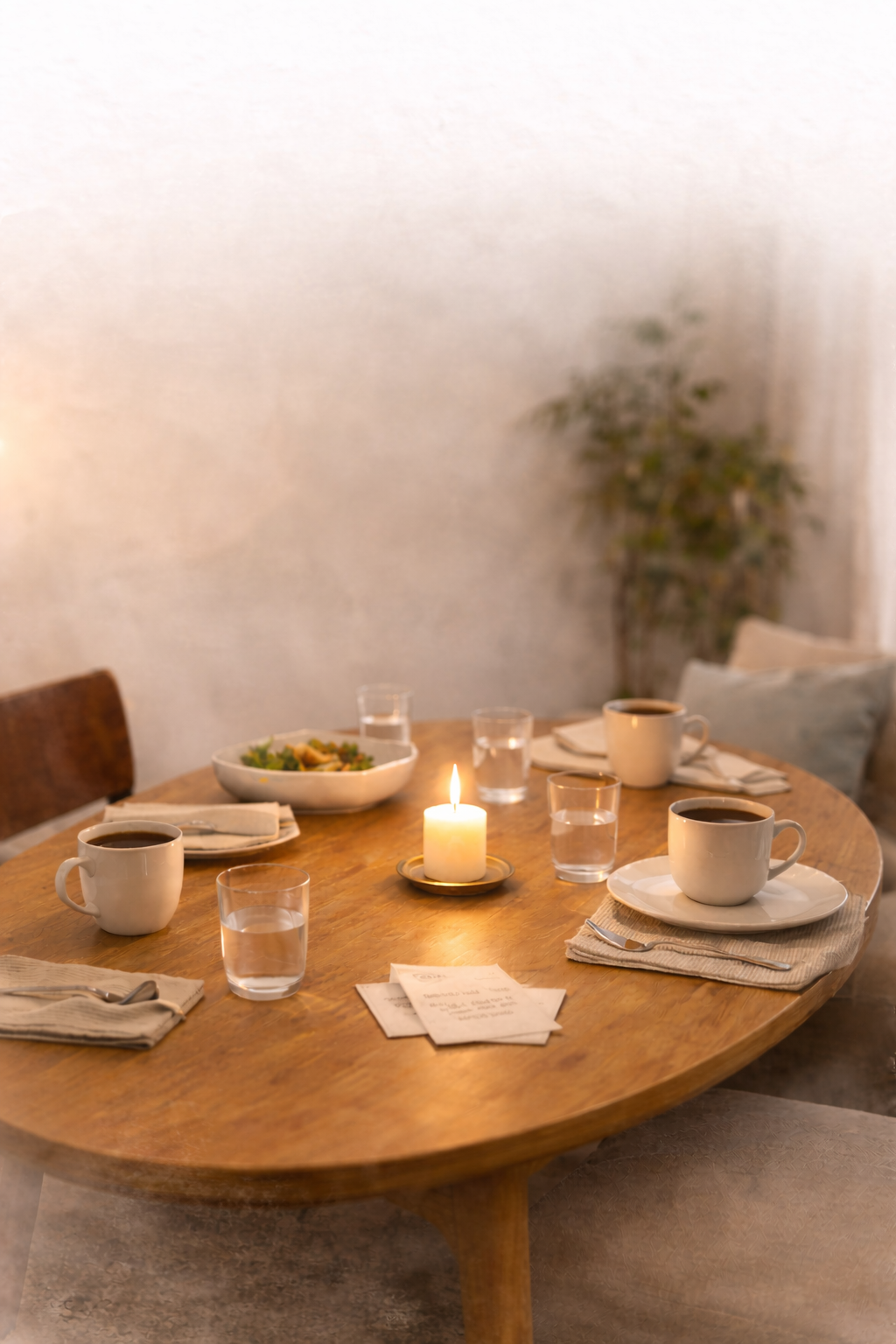
Choose one meal and name it in advance. Set the table as you normally would. Eliminate distractions. Create an atmosphere of calm and focus. Let your space feel peaceful and unhurried.
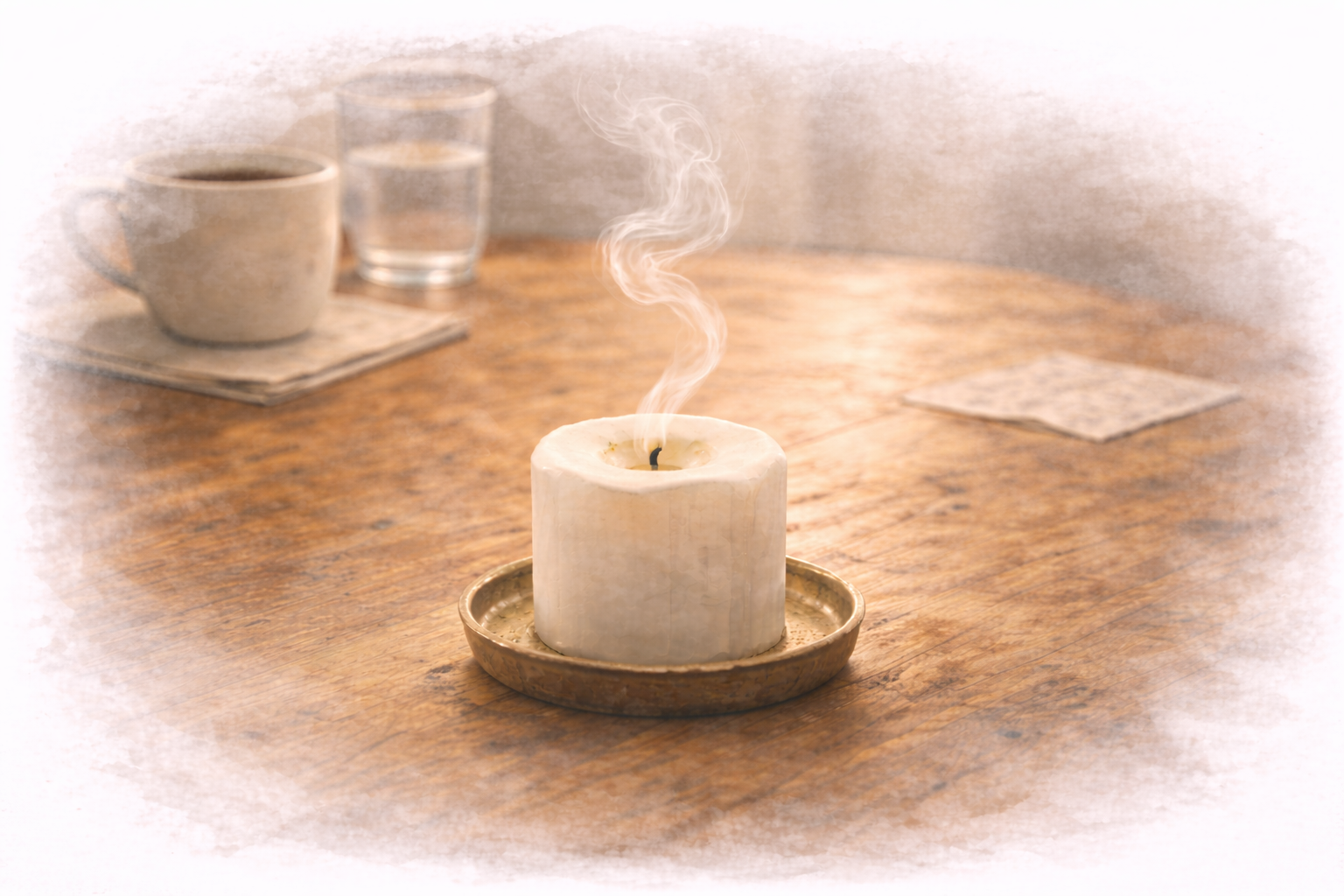
If you’d like, place one small object in the center: a candle, a photograph, a stone, a small flag, a handwritten word, or something symbolic. If you wish, light a candle as we do in the Break the Fast gatherings. A simple flame can mark the beginning and gather attention.
Keeping an object at the center gives the table a shared point of focus. It holds the intention quietly throughout the meal and offers something steady when conversation becomes personal. It also reminds you that many others are sitting at their own tables, doing the same.
Pause to Reflect
When everyone is seated, begin with a brief moment of quiet. Even thirty seconds helps everyone settle and arrive. During the Freedom Fast, each person has set something aside. That choice shapes how we come to the table.

Then ask:
What are you bringing with you to this meal together?
Move around the table and let each person share.
We begin this way because the way we sit together matters.
When each person has a chance to say what they are carrying, whether it is joy, fatigue, hope, worry, or something unresolved, we are reminded that everyone at the table is more than a viewpoint. We are people with lives unfolding in real time.
Starting here changes the tone of what follows.
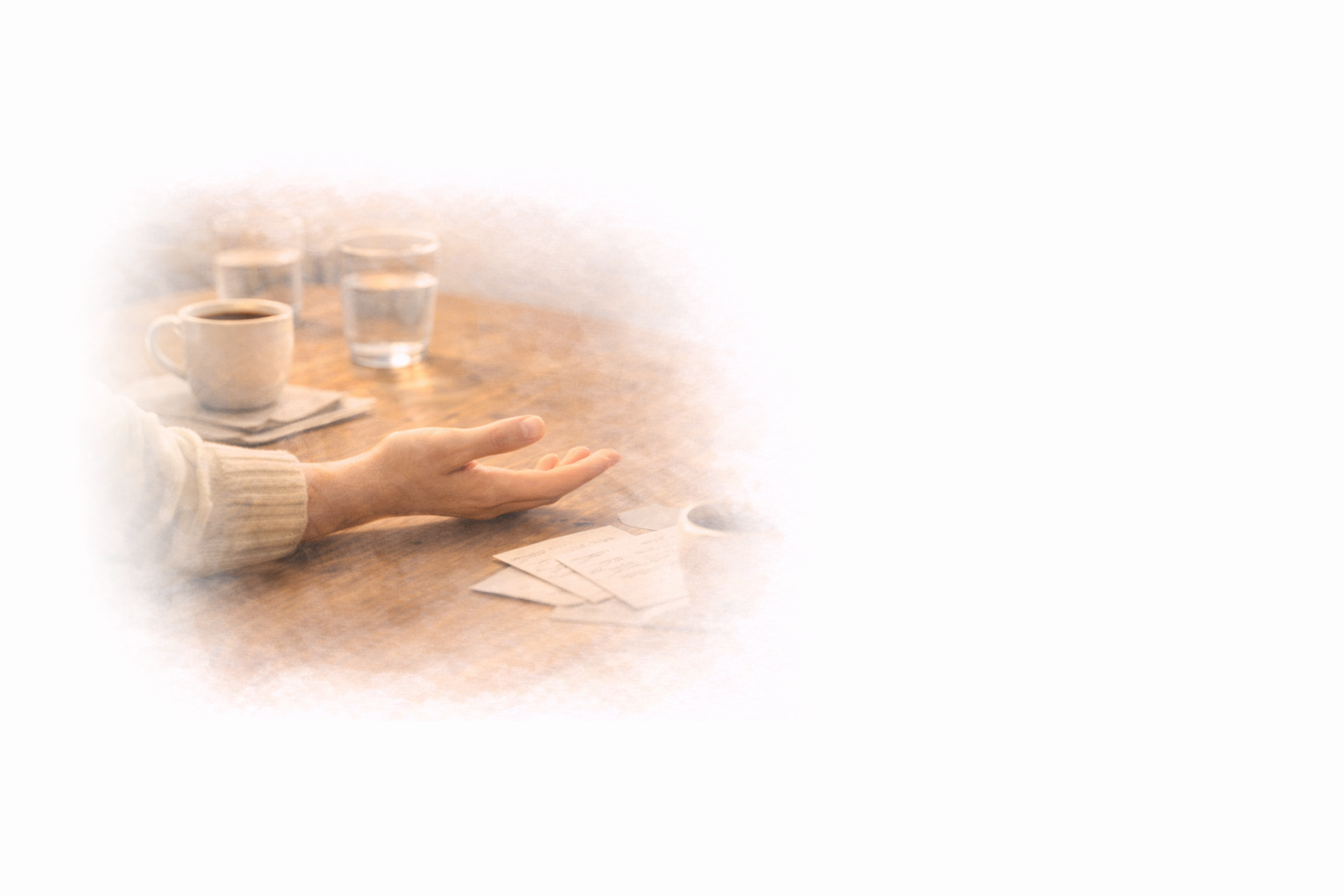
Dialogue to Relate
For this meal, choose one question and stay with it.
Select the question that feels right for this table.
What feels most present for you as we sit down together?
What would be most helpful to you right now, from us (the people who love you the most)?
What has changed in you since you fasted?
What is something you wish we knew about what is going on for you right now?
practice listening without interrupting
speak honestly without attacking
disagree without withdrawing
Stay with one question. Depth grows when a conversation has time to unfold. Moving quickly through many questions often keeps things at the surface. Staying with one allows trust and clarity to develop.
As each person shares, the role of the rest of the table is simple: listen. You may respond with “thank you” or “I hear you.” Allow what is said to stand before adding your own experience.
If you respond, speak from your own perspective rather than correcting someone else’s. The goal is understanding.
Allow the conversation to move at its own pace.
Serve to Heal
Before the meal ends, ask:
Where is one area in our family or community that needs repair? And where can we serve to heal?
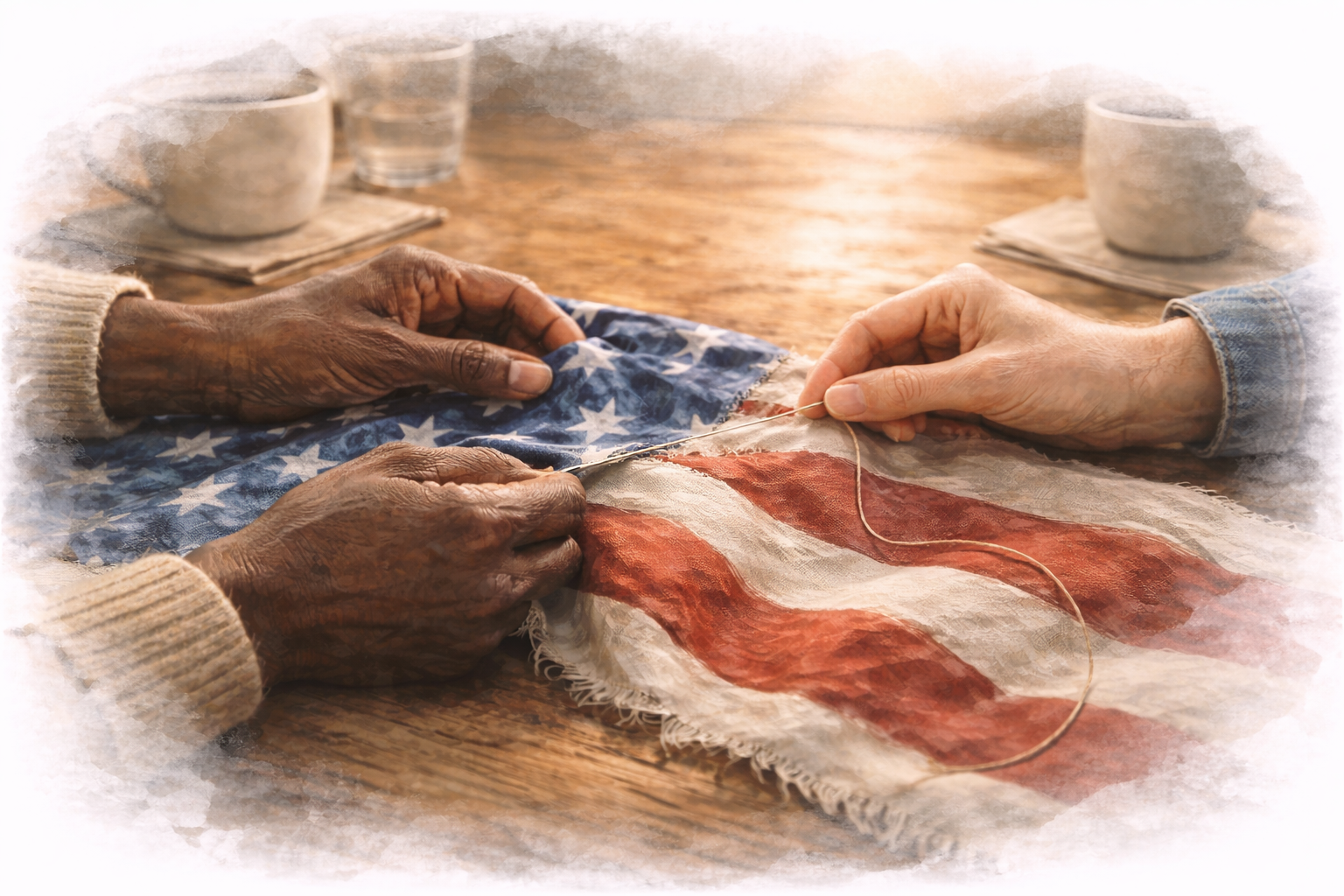
Reflection helps us understand one another.
Service is what turns that understanding into care.
When love becomes visible through service (especially in places that feel strained or broken) healing begins.
Close
Invite one word of gratitude from each person.
Extinguish the candle.
Closing the experience marks the time and helps everyone transition back into the rest of the evening.