

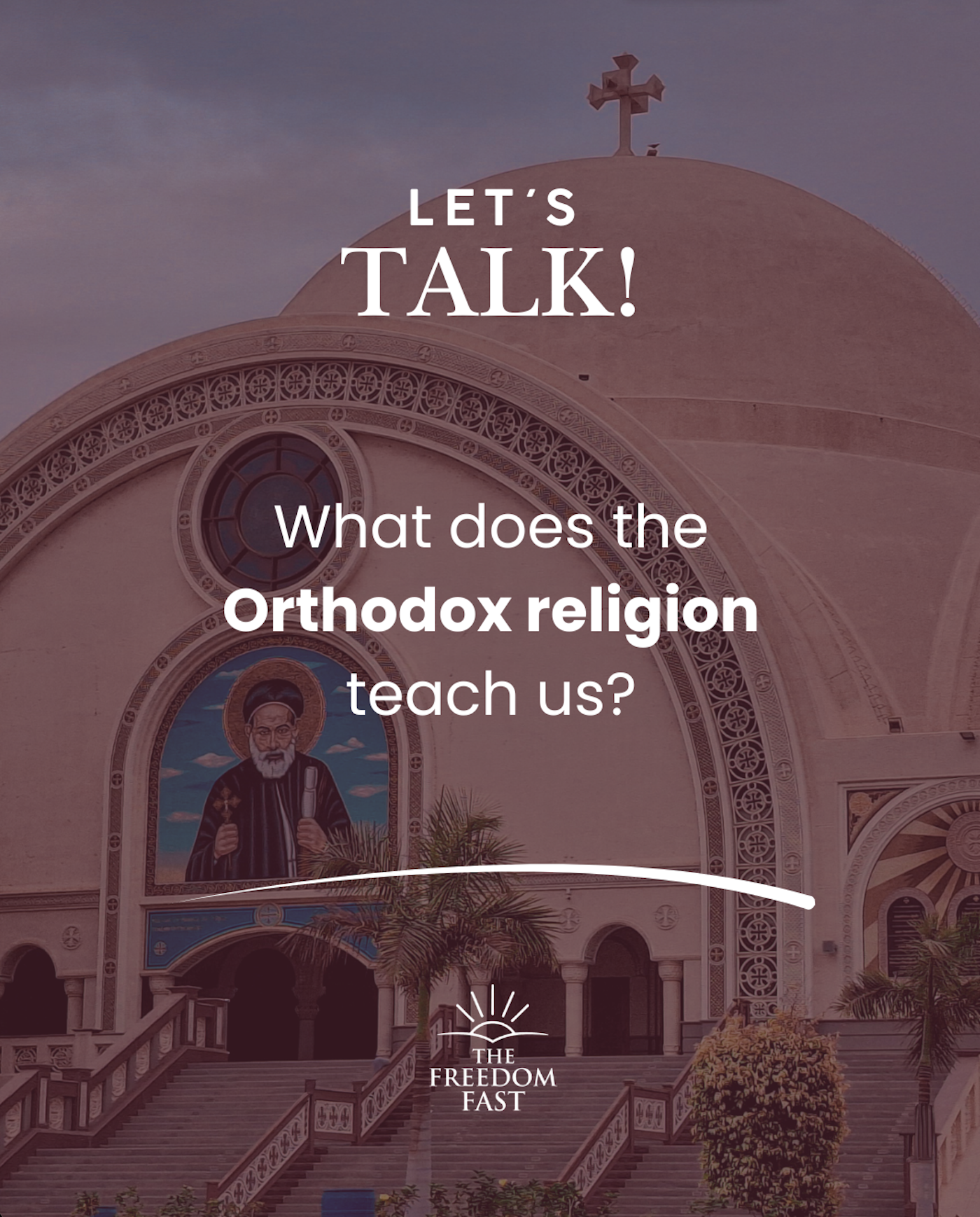
With an estimated 300 million faithful spanning Greece, Russia, Eastern Europe, and the Middle East, the Orthodox Church represents one of the oldest and most geographically rooted Christian traditions in the world. Yet despite its ancient roots, it remains a living, breathing faith — one shaped by centuries of prayer, fasting, and a profound sense of the sacred.
Rooted in the Earliest Church
The origins of Orthodox Christianity stretch back to the very beginning of the Christian story. The apostles themselves established the earliest churches in Jerusalem, Antioch, and Alexandria — and it is from these communities that Orthodoxy traces its heritage. Unlike the Roman Catholic Church in the West, the Orthodox Church developed independently of Rome, flourishing in the eastern Mediterranean world of the Roman Empire and eventually spreading across an entire civilization.
This is not a faith that was built recently. It is one that has been shaping souls for two millennia.
A Mystical and Opulent Tradition
To walk into an Orthodox church is to step into another world. Orthodoxy is known for its deeply mystical style of worship and its Asian-influenced richness in architecture and iconography — golden icons, soaring domes, incense-filled air, and chants that seem to come from somewhere outside of time.
The church is not a single, centralized institution but rather a communion of many local churches, each with its own bishop. Those bishops are drawn from monastic orders and therefore remain celibate, though married men may also be ordained as priests. Orthodox clergy are also widely recognized by their distinctive robes, headgear, and beards — a tradition maintained in fidelity to biblical practice.
Fasting as a Way of Life
Perhaps no aspect of Orthodox Christianity is more striking to outsiders than its approach to fasting. This is not an occasional or symbolic practice — it is a fundamental rhythm of the faith, woven into the fabric of the entire year.
Orthodox Christians fast for roughly 180 to 200 days annually, across four major fasting periods. The basic fast prohibits meat, dairy, fish, wine, and olive oil — a rigorous discipline that calls believers to intentional, sustained self-restraint. But Orthodox fasting is always understood as far more than a diet. It is a spiritual weapon against sinful passions, a training of the body to serve the soul, and a deepening of reliance on God. It is always paired with increased prayer and almsgiving — the three together forming a kind of integrated practice of transformation.
As the tradition teaches, the goal is repentance and self-control — not for their own sake, but in service of becoming more fully human, more fully alive to God and neighbor.
A Model for the Soul
In a culture that often struggles to find practices that genuinely shape character, the Orthodox tradition offers something remarkable: a tested, ancient model for forming the soul. The values it cultivates — compassion, justice, humility — are not abstractions. They are habits built through daily, embodied discipline over a lifetime.
E pluribus unum. Out of many, one. Different faiths, different practices — but a shared conviction that what we do with our bodies and our time shapes who we become.
